
Free UK Delivery | 30 Days Return Policy

Why so Many People Are Choosing a Titanium Ring in 2026

Published: 29 April 2025 | Updated: 31 January 2026 | Author: Jason Beer | Estimated Reading Time: 5 min
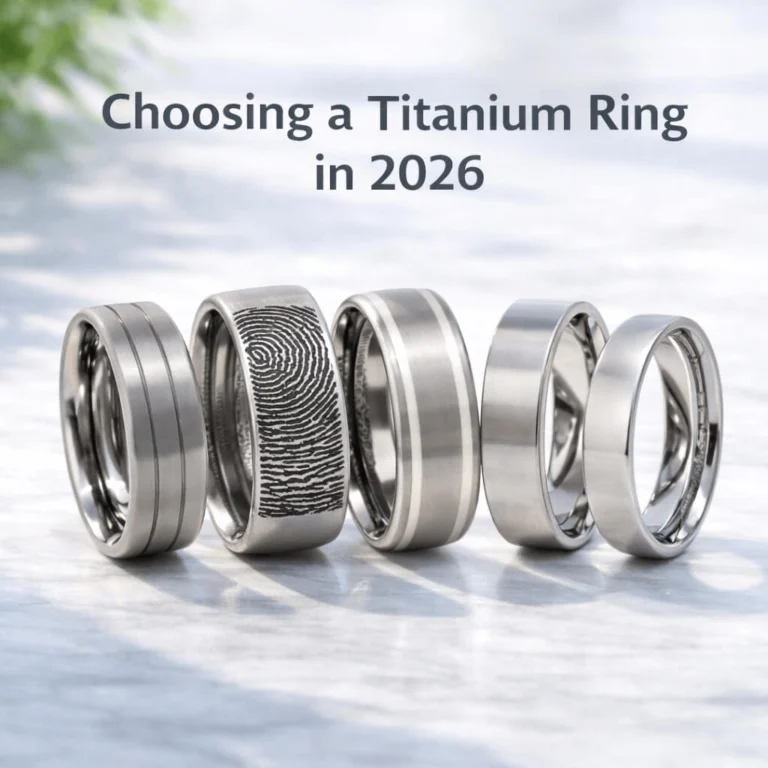
Choosing a titanium ring in 2026

Why Titanium Rings Have Gone Mainstream

Titanium rings are no longer a niche choice. In 2026, they sit firmly in the mainstream of modern jewellery, particularly for wedding bands and everyday rings. This shift has not happened because of fashion cycles or marketing trends. It has happened because titanium suits how people actually live.

People are choosing rings they can wear daily without thinking about them. Lightweight, comfortable materials with fewer compromises are replacing heavier, high-maintenance options. Titanium fits that change well.

What a Titanium Ring Is

A titanium ring is typically made from commercially pure titanium, usually within the 98–99% purity range. This differs from alloyed grades used in aerospace or engineering, which include additional metals such as aluminium or vanadium.

For jewellery, commercially pure titanium is preferred because it offers predictable behaviour, stability, and consistency. The ring is solid metal throughout, not plated or coated. The surface finish, whether brushed or polished, is simply the natural surface of the metal itself.

Titanium is also hypoallergenic. It contains no nickel and does not react with skin, which makes it suitable for people who struggle with irritation from traditional jewellery metals.

Why Titanium Suits Modern Wear

One of the main reasons titanium rings continue to gain popularity is weight. Titanium is significantly lighter than gold, platinum, or steel. On the hand, this difference is immediate, especially in wider bands.

Comfort now plays a bigger role in jewellery choices than it once did. Many people wear their rings continuously while working, travelling, exercising, or using tools. A ring that feels heavy or intrusive quickly becomes noticeable. Titanium avoids that without feeling flimsy or disposable.

Titanium is also chemically stable. It does not react with sweat, water, or everyday environmental exposure. This allows it to be worn continuously without adjustment, which reflects how most people treat their rings in practice.

Strength Without Bulk

Titanium has a high strength-to-weight ratio. It resists bending and deformation while remaining light. This is why it is widely used in medical and structural applications where reliability matters.

In jewellery, this allows for slimmer, comfortable profiles that do not feel delicate. Titanium rings are typically made from a single solid piece of metal rather than assembled or soldered, which removes joints that can exist in some traditional ring constructions.

The result is a ring that feels unobtrusive on the hand while remaining structurally stable.

Common Misunderstandings About Titanium Rings

Titanium is often described inaccurately. One common claim is that it is scratch-proof. That is not correct. Like all metals, titanium will mark with wear. The difference lies in how those marks develop.

Rather than deep gouges, titanium tends to show fine surface wear that softens the finish over time. Many people prefer this change, as it reflects use rather than damage. It is a material that settles into wear rather than degrading through it.

Another misconception is that titanium rings cannot be removed in an emergency. In practice, they can be removed safely using appropriate methods. The metal behaves differently from gold or silver, but it does not present an insurmountable obstacle.

Titanium as a Wedding Ring Material

Wedding rings are expected to be worn long term, often without regular removal. This has increased interest in materials that prioritise comfort and practicality over tradition.

Titanium suits this role well. It allows for consistent sizing, smooth internal profiles, and lighter bands that remain comfortable throughout the day. Matching designs across different widths is also straightforward, which suits couples who want coordination without identical rings.

In many cases, titanium wedding rings are not chosen to stand out, but to stay out of the way.

Personalisation and Modern Design

Modern jewellery places more emphasis on personal meaning than visible value. Titanium fits this shift naturally. Its neutral grey tone works well with engraving, texture, and contrast materials such as carbon fibre.

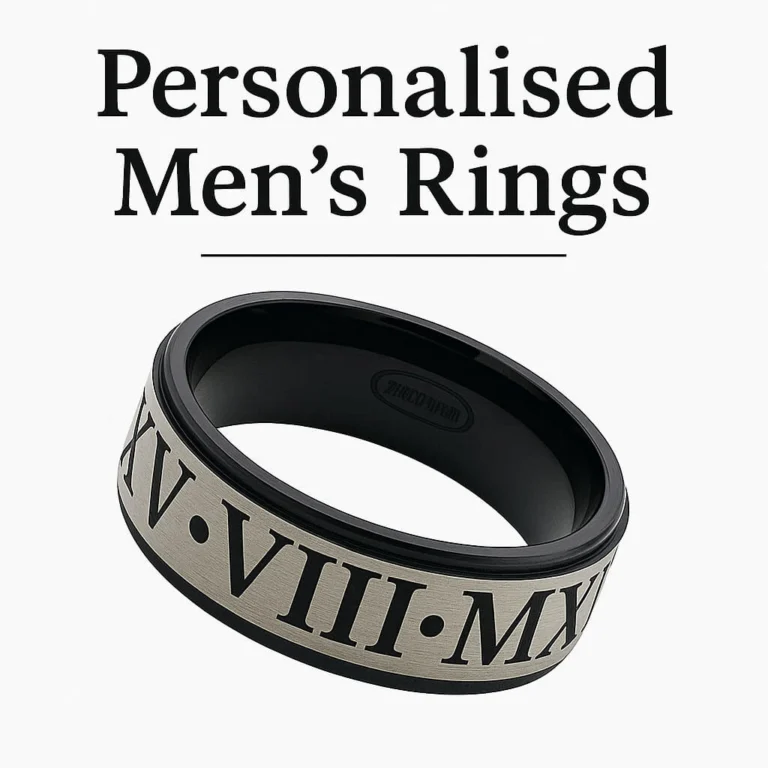
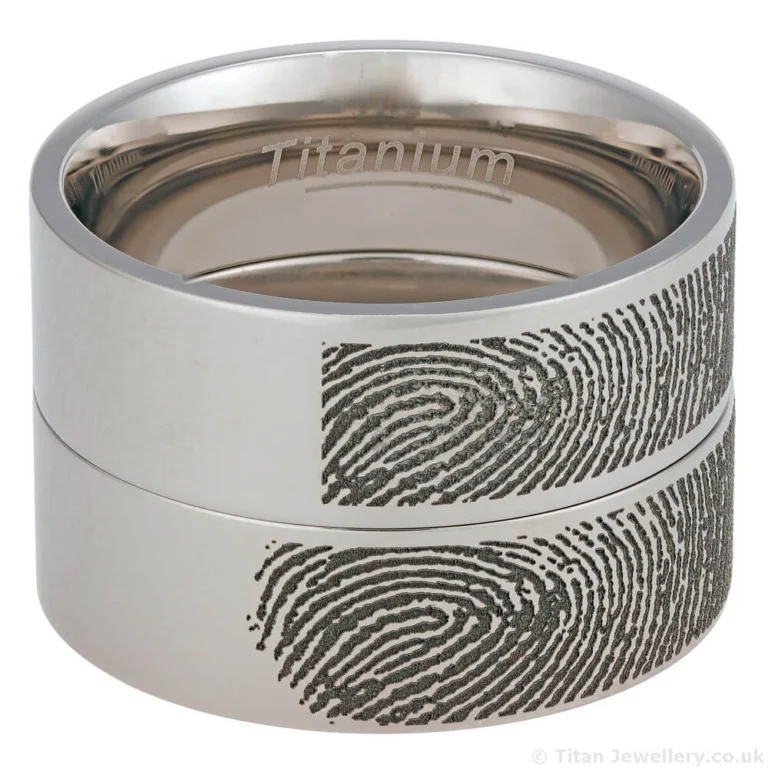
Laser engraving allows for precise internal text or external detail without altering the structure of the ring. Fingerprint engraving has also become more common, where a real fingerprint is etched into the surface as a permanent, tactile marker.

These features appeal to people who want individuality without ornamentation.
 

Personalisation and Modern Design

Modern jewellery places more emphasis on personal meaning than visible value. Titanium fits this shift naturally. Its neutral grey tone works well with engraving, texture, and contrast materials such as carbon fibre.

Laser engraving allows for precise internal text or external detail without altering the structure of the ring. Fingerprint engraving has also become more common, where a real fingerprint is etched into the surface as a permanent, tactile marker.

These features appeal to people who want individuality without ornamentation.

Titanium rings for modern everyday wear

Who Titanium Is Best Suited For

Titanium rings tend to suit people who:

  • Wear their rings daily without removing them

  • Prefer lightweight jewellery

  • Have sensitive skin

  • Value practicality over traditional material value

  • Want a clean, understated appearance

They may not suit those who want a high-polish precious metal look or a ring that can be resized repeatedly over time.

Titanium in Contemporary Jewellery

Titanium’s role in jewellery has matured. It is no longer viewed as an industrial novelty, but as a considered material choice for long-term wear. Its appeal lies in how it behaves, not what it signals.

In 2026, people are choosing titanium rings for the same reason they choose many modern materials elsewhere in their lives. They prioritise comfort, reliability, and ease of use over ceremony.

That practical shift, rather than fashion, is what continues to drive titanium’s place in modern jewellery.

Share this blog post

Author: Jason Beer
Jason Beer
Owner

Goldsmith with 38 years’ bench experience. I started repairing jewellery for leading high-street chains, then joined an independent jeweller in 1994, specialising in turning old gold into bespoke pieces. In 2009 I became co-owner and built the firm into one of Maidstone’s most respected jewellers. After selling the business to the team in 2025, I now run Titan Jewellery’s workshop full-time. I’ve worked with alternative metals since 2002 and launched TitanJewellery.co.uk in 2012 to showcase titanium and other modern materials.

More articles on this topic
Recent articles

Sellerdeck to Woocommerce

Sellerdeck to WooCommerce: Our Journey From Sellerdeck to WooCommerce: Why We Finally Moved After 23 Years I have worked with Sellerdeck websites for 24 years. When…

UK Based Stock

We dispatch directly from our Kent Location.

Fast Dispatch

Stock orders placed by 1pm usually sent same working day

Easy Returns

30 day no quibble refund or exchange policy

Expert Support

Speak to our Goldsmith with over 35 years jewellery experience